Key Nutrients in Traditional Greek Cuisine
Scientific analysis of Mediterranean foods and their nutritional composition
Introduction to Mediterranean Foods
Traditional Greek and Mediterranean eating patterns have been subjects of extensive scientific research for several decades. These patterns emphasize plant-based foods, legumes, whole grains, olive oil, and moderate amounts of fish and poultry. The nutritional composition of foods emphasized in Mediterranean cuisine reflects the agricultural products historically available in the Mediterranean region.
Olive Oil and Polyphenolic Compounds
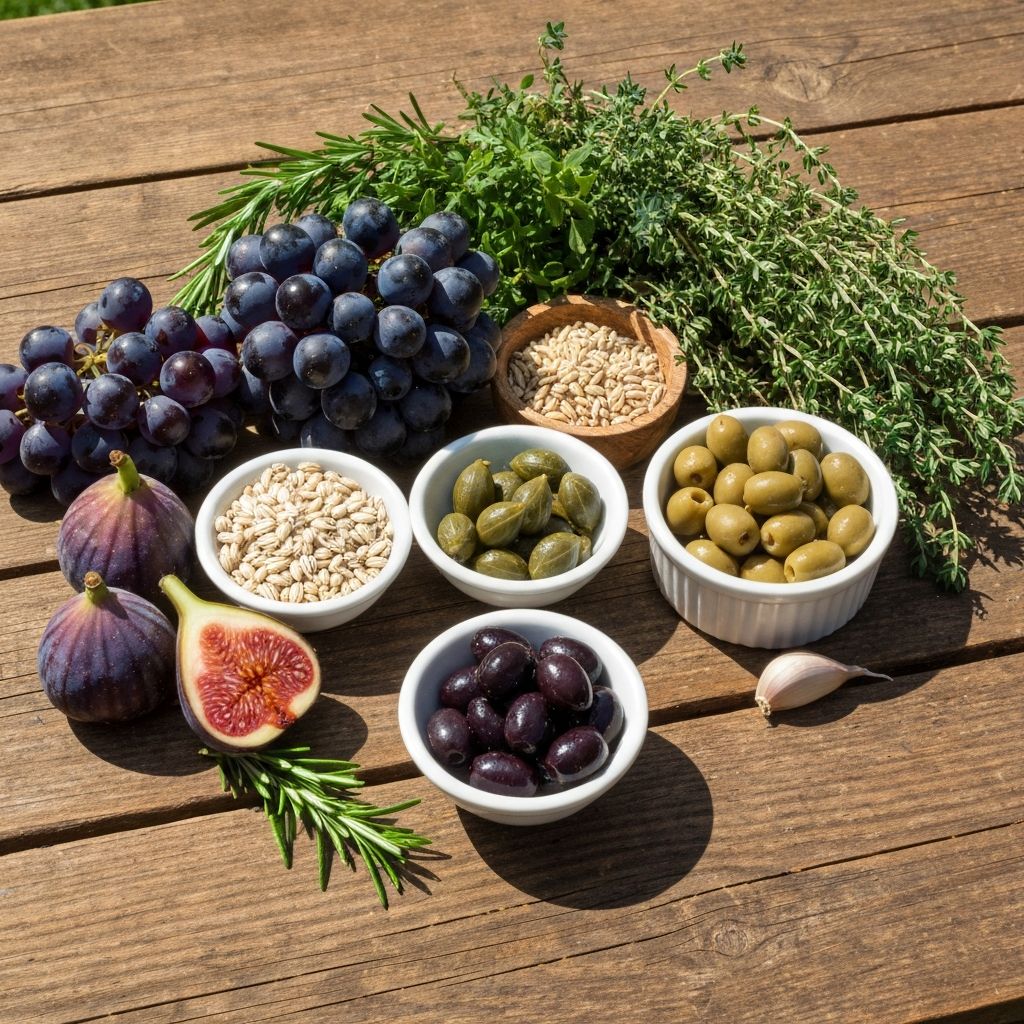
Extra virgin olive oil, a cornerstone of Mediterranean cuisine, contains numerous bioactive compounds. The most abundant polyphenol in olive oil is oleuropein, with additional compounds including hydroxytyrosol, tyrosol, and oleocanthal. These molecules have been investigated for their chemical properties and potential physiological effects.
Olive oil is also rich in oleic acid, a monounsaturated fatty acid that comprises approximately 70% of olive oil's fat content. Oleic acid's properties and metabolic processing have been extensively studied in nutritional science literature.
Legumes and Protein Composition
Legumes—beans, lentils, and chickpeas—are fundamental to Mediterranean cuisine and provide substantial amounts of plant-based protein. One hundred grams of cooked lentils, for example, contains approximately 9 grams of protein along with approximately 8 grams of dietary fiber.
Legumes also contain complex carbohydrates and various micronutrients including iron, folate, magnesium, and potassium. The combination of macronutrients and micronutrients in legumes contributes to their nutrient density—the amount of nutrients relative to caloric content.
The fiber content in legumes affects nutrient bioavailability and influences digestive processes, topics investigated in numerous nutritional studies.
Whole Grains and Micronutrient Profile
Whole grain products—whole wheat, barley, and other traditional grains—retain the bran and germ layers containing substantial micronutrient content. These layers contain B vitamins including thiamine, riboflavin, niacin, and folate, along with minerals like magnesium, manganese, and selenium.
Whole grains also provide dietary fiber, which comprises the indigestible polysaccharide components of plants. Dietary fiber affects digestion rate, glucose absorption patterns, and colonic processes—all documented aspects of nutritional science.
Vegetables and Phytonutrient Diversity
Mediterranean vegetables—tomatoes, eggplant, peppers, leafy greens, and many others—provide diverse micronutrients and phytocompounds. Tomatoes contain lycopene, peppers contain various carotenoids, and dark leafy greens contain lutein, zeaxanthin, and numerous other compounds.
These vegetables provide vitamin C, vitamin K, folate, potassium, and many other nutrients essential for cellular function. The variety of vegetables in Mediterranean cuisine contributes to the diversity of micronutrients and plant compounds consumed.
Fish and Omega-Fatty Acid Content
Fish traditionally consumed in Mediterranean regions, such as sardines, mackerel, and anchovies, contain eicosapentaenoic acid (EPA) and docosahexaenoic acid (DHA)—long-chain omega-3 polyunsaturated fatty acids. These fatty acids are incorporated into cell membranes and are subjects of extensive research regarding their physiological roles.
The typical Mediterranean pattern includes moderate amounts of fish—roughly two servings per week—as a source of these fatty acids along with other nutrients.
Nuts and Seeds as Nutrient Concentrates
Nuts and seeds are nutrient-dense foods providing multiple micronutrients and bioactive compounds. Almonds, walnuts, pistachios, and other nuts contain vitamin E, selenium, magnesium, copper, and other minerals. Nuts also contain various polyphenols and other plant compounds.
The fatty acid composition of nuts varies; walnuts contain significant amounts of alpha-linolenic acid (an omega-3 precursor), while other nuts contain higher proportions of monounsaturated fats. These compositional differences reflect the agricultural origins of various nut species.
Herbs and Spice Components
Mediterranean cuisine emphasizes herbs such as oregano, basil, rosemary, and thyme. These herbs contain numerous essential oils and polyphenolic compounds. For example, oregano contains carvacrol and thymol; rosemary contains carnosic acid and rosmarinic acid.
While used in relatively small quantities in meals, these herbs contribute bioactive compounds that have been investigated in numerous studies examining their chemical and physiological properties.
Yogurt and Fermented Products
Greek yogurt, produced through straining that removes whey, contains concentrated protein relative to its volume. It also provides calcium, B vitamins, and probiotics—live microorganisms that survive the fermentation and storage process. The role of probiotics in gastrointestinal microbiota composition and function is an active area of nutritional research.
Macronutrient Balance in Mediterranean Patterns
Research examining Mediterranean eating patterns documents the macronutrient composition. Approximately 30-35% of calories typically come from fat, with emphasis on monounsaturated and polyunsaturated fats rather than saturated fats. Carbohydrates comprise 45-50% of calories, predominantly from complex carbohydrates and fiber-rich sources. Protein comprises approximately 15-20% of calories, distributed across both plant and animal sources.
This macronutrient distribution reflects the agricultural products emphasized in traditional Mediterranean regions rather than being specifically calculated for any particular physiological outcome.
Educational Note
This article presents scientific analysis of nutrients in Mediterranean foods. It describes composition and research findings but does not prescribe specific consumption patterns for any individual. Nutritional needs, food tolerances, and appropriate eating patterns vary based on individual factors. Consult healthcare professionals for personalized guidance.
Conclusion
Traditional Mediterranean foods provide diverse micronutrients, macronutrients, and bioactive compounds that have been investigated by nutritional science. Understanding the nutritional composition of these foods provides context for comprehending why Mediterranean eating patterns have been subjects of extensive research. The nutrient density and diversity of these foods contribute to why population-level research has examined their relationship with various health outcomes.
Back to blog